A metal chess set is not chosen like a wooden one. Metal brings weight, outstanding durability and a strong visual presence: the chessboard becomes an object you leave on display, in the living room or the study. You still need to pick the right metal. Aluminium, brass and steel differ in look, in care and in how they feel in play.
Why choose a metal chessboard?
- Durability: metal does not split, swell with humidity or warp over the years.
- Stability: metal or weighted pieces stay put, even on a quick move.
- Design: clean lines, precise edges, brushed or polished surfaces. Metal suits contemporary, minimalist forms.
- Heritage: a fine metal set is kept and passed on, like a good watch or pen.
Aluminium: light, precise and low-maintenance
Aluminium is the most widely used metal in high-end design objects, from laptops to watches. It is about three times lighter than steel, which allows larger pieces and a board that is easy to move. It does not rust.
Its key asset is anodising: a treatment that creates a hard, protective oxide layer on the surface, resistant to corrosion and colourable in depth. Combined with brushing, it gives a regular satin finish that does not show fingerprints the way polished metal does.
Aluminium also lends itself to precision machining: crisp edges, perfectly square angles, fine engravings. It is the ideal material for a designer chessboard.
Brass: warm, but alive
Brass, an alloy of copper and zinc, offers a warm golden tone and substantial weight. It evokes antique objects and classic interiors. The trade-off: it oxidises and develops a patina over time and with handling. Some love this evolution; others will need to polish it regularly to keep its original shine.
Steel: solid and very heavy
Stainless steel makes very dense pieces, almost paperweights. It is robust, but its weight makes the board hard to handle, and a polished finish readily shows scratches and fingerprints. It is also slower and more expensive to machine, which shows in the price.
At a glance
- Anodised aluminium: light, rust-free, minimal care, contemporary look. Ideal for frequent play and modern interiors.
- Brass: heavy, warm, develops a patina. Ideal for classic interiors, if you accept the upkeep.
- Steel: very heavy and robust, industrial look, harder to handle.
Piece weight: a criterion not to overlook
A good chess set is recognised by touch. Weighted pieces sit well in the hand, do not tip over and give every move a decisive feel. With a light metal like aluminium, weighting and non-slip bases make all the difference. Check the total weight too: it tells you a lot about the quality of the materials.
How to care for a metal chess set
- Dust with a soft, dry microfibre cloth.
- For a mark, a barely damp cloth is enough; dry afterwards.
- Avoid abrasive products, scouring sponges and solvents, which can dull an anodised or lacquered finish.
- For unlacquered brass, a dedicated polish restores the shine.
Our choice: brushed aluminium
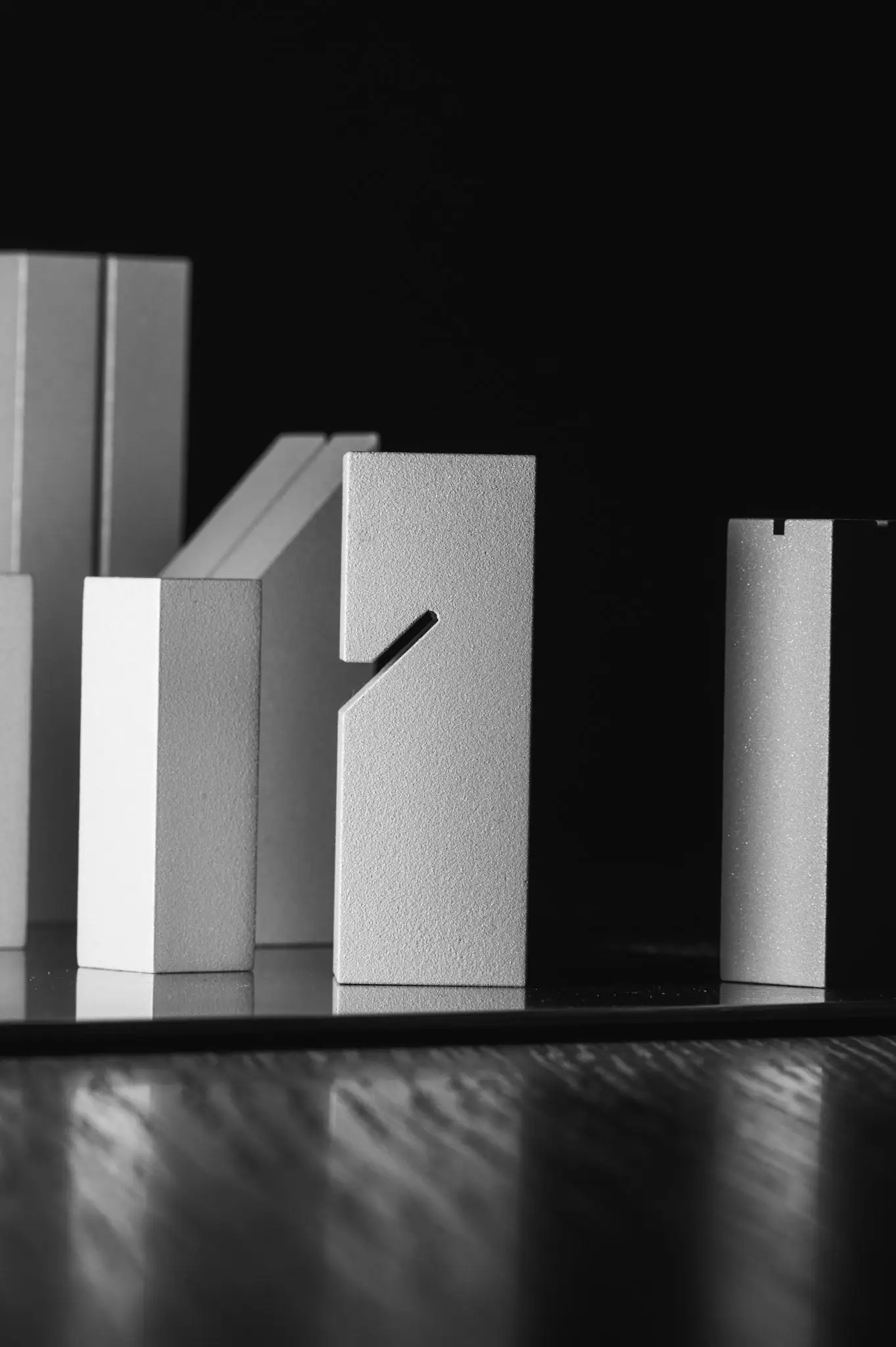
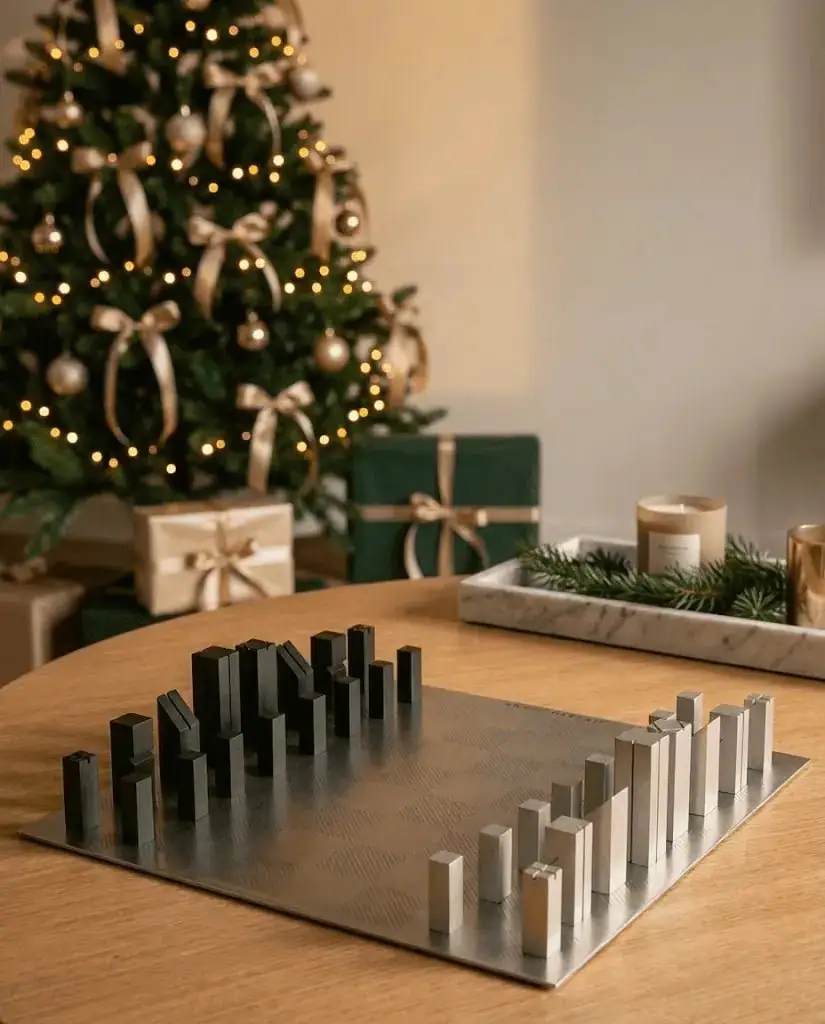
At Angle Parfait, we chose brushed, anodised aluminium for Axiome: a board with clean lines, weighted pieces with non-slip bases, and a numbered, engraved limited edition. A metal chess set designed for everyday play, with no upkeep, and to stay on display.
To go further, read our 7 tips for choosing a luxury chessboard.